
Health is individual - and so is the path towards it.
Long-term health is built through understanding connections and
finding balance between effort and recovery, structure and everyday life.
Movement
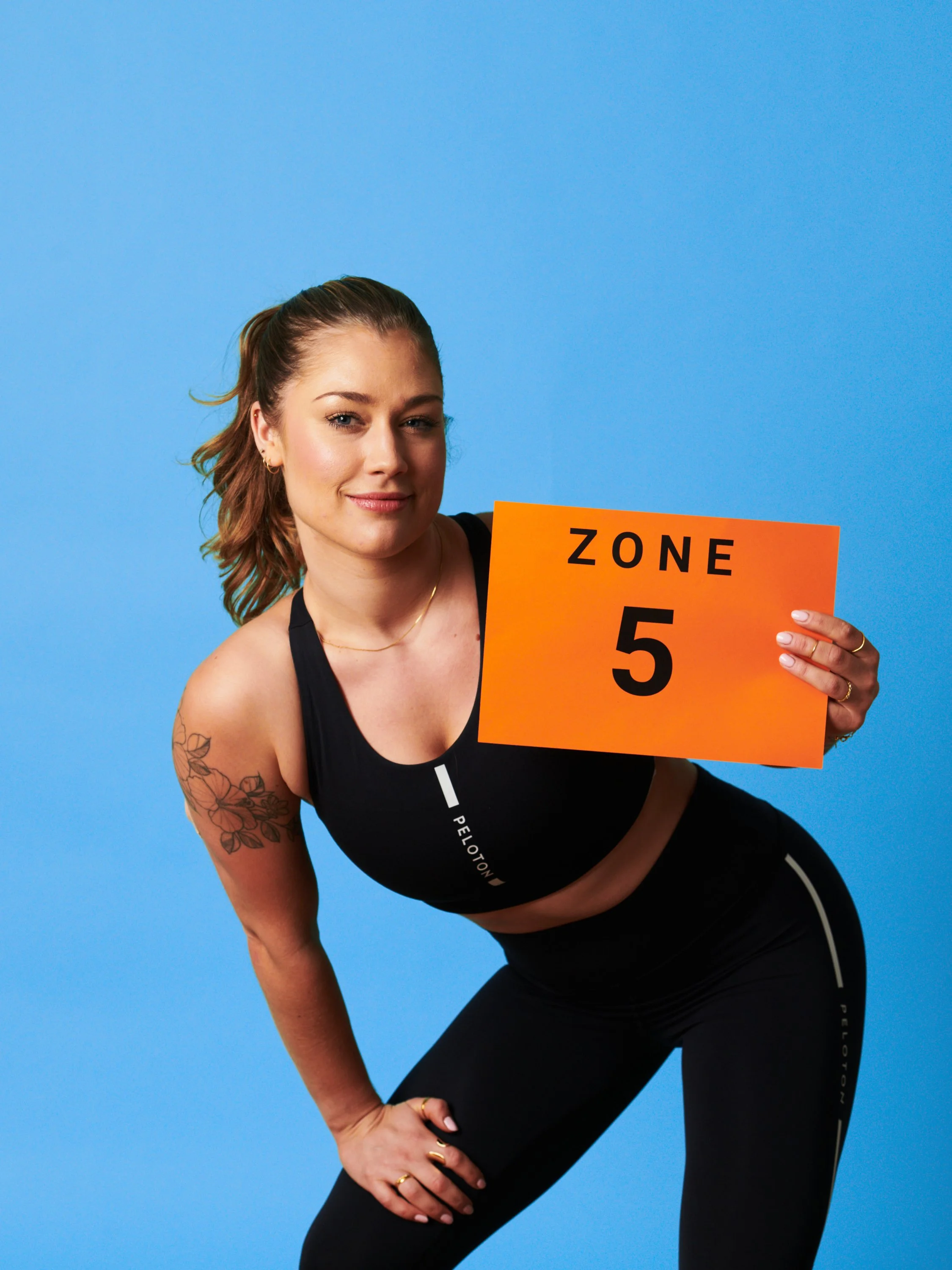
There is no single “right” way to move. Health develops where physical activity can be integrated into everyday life in a realistic and sustainable way.
It is helpful to distinguish between movement and training. Movement forms the foundation through daily activity, while training follows structure and intention to build strength, resilience and physical capacity.
Both are essential and serve different roles in long-term health.

Regeneration & Mental Balance
Regeneration is an active part of health. Adaptation and stability arise through the balance between stimulus and recovery, not through constant strain.
Mental and physical health are closely connected. Stress, sleep, energy levels and recovery influence one another in both directions.
The goal is not stress-free living, but a conscious and individual way of managing demands and resources.
Nutrition
Nutrition is not a rigid system, but part of everyday life. There is no universal approach—context, needs and preferences matter.
Rather than restriction, the focus lies on adding understanding, structure and nourishing elements. Knowledge enables flexible decisions and supports consistency over perfection.
Sustainable nutrition is realistic, enjoyable and adaptable over time.